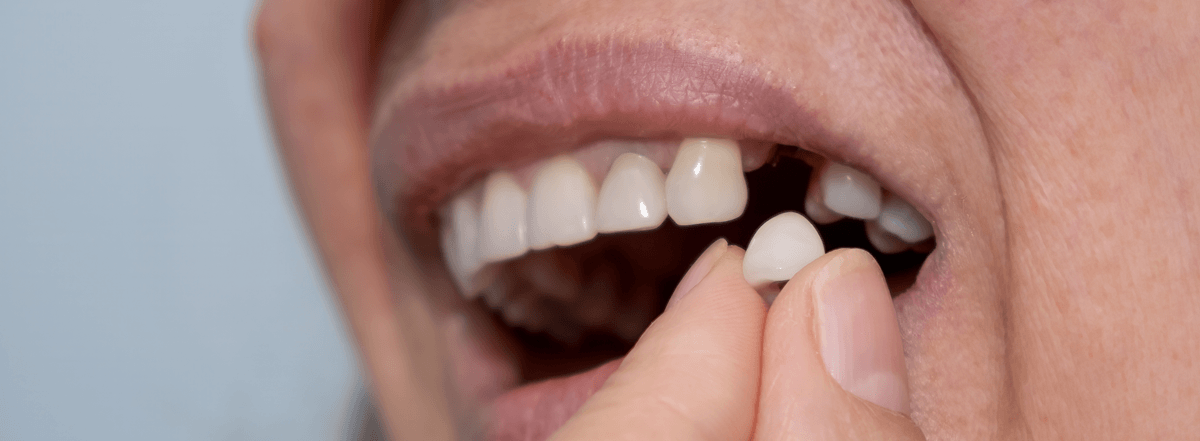
There are some oral ailments that can arise secretly in your mouth without you knowing of their existence. One of these particular ailments is known as bruxism. Bruxism is a secret oral health condition that is caused by grinding or gnashing your teeth unconsciously. One form of bruxism, sleep bruxism, arises when you are fast asleep. You should make sure that you are looking for signs and symptoms of bruxism to prevent further damage from the arising.
Physical damage can often occur while you’re sleeping due to bruxism. If you suffer from visible damage, it could become more apparent as time goes by. Every morning, check your teeth to see if any damage has occurred. This includes any fractures, chips, or cracks in your teeth that weren’t there previously. Damage can also occur to other areas, including indentations on your tongue from biting the inner lining of your cheek.
Additional symptoms include pain and a heightened sensitivity to your jaw and facial areas when you wake up. If you feel any jaw or face pain, tight muscles, headaches, earaches, or pain when attempting to fully open and close your jaw, you may be suffering from bruxism as you sleep.
Are you in need of a dentist in New Bedford, Massachusetts? Dr. Purvesh Malaviya at Creative Dental Group wants to make sure your smile shines no matter what condition it is in. If you are interested in a treatment for bruxism, please get in touch with our dentist office by calling us at 508-990-9900.
Is my toothache a dental emergency? While not every toothache is considered a dental emergency, you’ll want to still visit our team just in case. This could sometimes be an indication that something is wrong with your smile. A toothache will qualify as an emergency if you experience the following:
Pain that interrupts your day, lasts for more than 24 hours, or wakes you up at night
You notice sharp discomfort when biting down or widening your mouth
The pained tooth appears darker than your other teeth
You see a small, pimple-like bump on your gums near the affected tooth
You notice signs of infections like swelling, fatigue, and fever
How you should handle a toothache: You should first give us a call so that we understand the situation and can schedule an appointment. Afterward, try flossing around the pained tooth to remove any bothersome debris. Rinse your mouth with saltwater to alleviate inflammation and fight off infection. Place a cold compress on the outside of your mouth to reduce discomfort and swelling. Take over-the-counter pain medications like ibuprofen. Avoid using aspirin directly on your gums or teeth.
How we treat toothaches: Your treatment will depend on the root cause of your toothache. If it’s due to periodontal infection, then we’ll likely provide gum disease therapy. If your discomfort is due to an infection, then we can perform a root canal to save your tooth. But if it’s beyond repair, then our team may consider extracting it to preserve your oral health. We’ll be sure to assess your situation and determine the best way to relieve your pain and save your smile.
Is a chipped tooth a dental emergency? Most chipped teeth don’t require immediate attention. However, you’ll still want to get it treated as soon as you can since a damaged tooth will be more vulnerable to future injury and infection later on.
How you should handle a chipped tooth: Try rinsing with warm water to clear out any tiny pieces of the tooth from your mouth. This way you can keep the area clean and bacteria-free. Avoid using the chipped tooth for biting or chewing anything. Feel free to cover it up with dental wax or sugarless gum if it feels sensitive.
How we treat chipped teeth: Although a chipped tooth may seem unsettling at first, it’s quite simple to treat. In most cases, we can easily repair and improve your condition with dental bonding. But if a front tooth is chipped and you’re worried about your appearance, you can consider getting veneers for a more comprehensive and longer-lasting solution.
Is a cracked tooth a dental emergency? A cracked tooth is typically considered a dental emergency, as it will be more vulnerable to further damage, bacteria, and infection. However, if the injury is minor, then it may be able to wait a few days to get treated if necessary. That said, remember that very small cracks in your smile can be difficult to notice. If you experience any sensitivity or pain while chewing, especially after taking a blow to the face, then you might have a hidden crack that’ll require treatment.
How you should handle a cracked tooth: Firstly, gently rinse your mouth with water to remove any broken fragments of the tooth, clearing away bacteria in the process. Try covering up your tooth with dental wax or sugar-free gum if it feels sensitive. Keep away from chewing on that side of your mouth until you can see us.
How we treat cracked teeth: If the crack in your tooth is small, then we may be able to simply repair it with dental bonding. For more severe cracks, you may require protecting and strengthening it with a dental crown. In rare cases, a tooth that is beyond repair may need to be extracted and replaced altogether.