




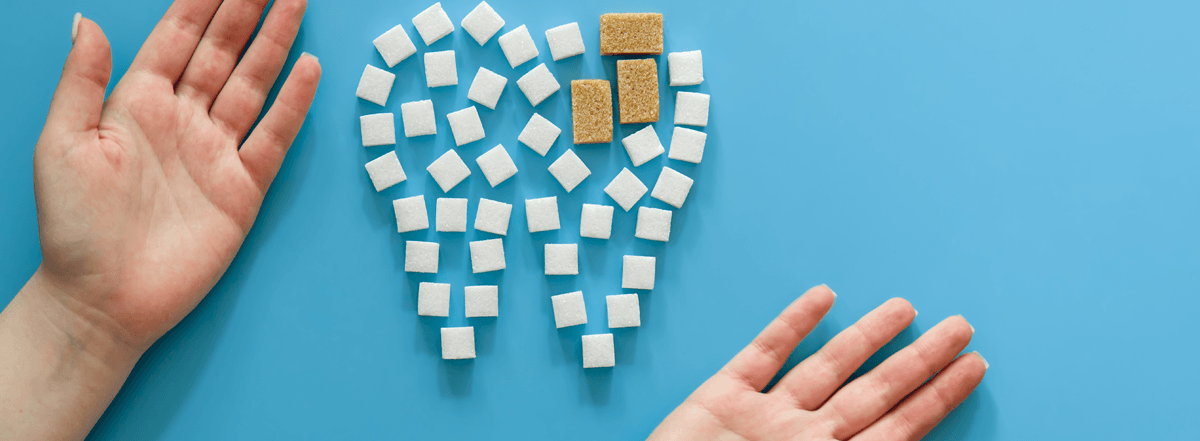
Most patients assume dental restorations fail because the material simply “gets old.” Dentists often see crowns, fillings, bridges, and veneers fail years earlier than expected because of preventable biological and mechanical factors happening around the restoration, not necessarily inside it.
A porcelain crown does not suddenly stop working after 10 years. More commonly, the problem begins much earlier:
- bacteria slowly penetrate the crown margin,
- grinding forces create microscopic fractures,
- gum recession exposes vulnerable tooth structure,
- or chronic plaque biofilm weakens the adhesive seal.
What makes restorative dentistry challenging is that many of these changes happen silently. Patients frequently feel no pain until the damage has progressed significantly.
In clinical practice, dentists often discover failing restorations during routine exams long before patients notice symptoms themselves.
That is why long-term restoration survival depends less on luck and more on daily habits, occlusal force management, preventive dentistry, and early intervention.
What Actually Causes Dental Restorations to Fail?
Modern restorative materials are remarkably durable. Zirconia crowns, lithium disilicate veneers, composite resin fillings, and ceramic inlays are engineered to tolerate years of mastication forces and thermal stress.
But no dental restoration exists in isolation.
Every restoration depends on three things remaining healthy:
- the surrounding tooth structure,
- the adhesive interface,
- and the supporting periodontal tissue.
When one of these weakens, the restoration becomes vulnerable.
According to findings published in restorative and prosthodontic research, the most common causes of restoration failure include:
- recurrent decay (secondary caries),
- occlusal trauma,
- adhesive microleakage,
- fracture from excessive bite force,
- periodontal deterioration,
- and untreated bruxism.
The American Dental Association has repeatedly emphasized that preventive maintenance and early diagnosis are major predictors of restoration longevity.
What surprises many patients is that restorations often fail gradually, not catastrophically.
A crown may appear perfectly intact externally while decay develops underneath the margin for months or even years.
The Hidden Role of Bite Force and Occlusal Stress
One of the least understood causes of restoration damage is excessive occlusal loading.
The average chewing force in adults ranges between approximately 150–250 PSI. However, patients with nocturnal bruxism can exert forces exceeding 700 PSI during sleep. That amount of pressure repeatedly compresses restorations, adhesive bonds, and supporting enamel.
Dentists commonly see this pattern in patients who clench unconsciously during stress or while sleeping.
Typical signs include:
- flattened enamel surfaces,
- craze lines in porcelain,
- fractured composite fillings,
- jaw soreness,
- tension headaches,
- and chipped veneer edges.
What makes bruxism especially destructive is repetition. A single hard bite may not fracture a crown, but years of chronic lateral force gradually weaken restoration margins and supporting tooth structure.
This is why occlusal guards are often recommended for patients with extensive restorative work. Clinical studies show night guards help reduce restorative wear, distribute bite pressure more evenly, and decrease the likelihood of ceramic fracture.
Foods That Quietly Shorten the Lifespan of Dental Work
Most patients expect obvious trauma to damage restorations. What they often underestimate is how everyday dietary habits contribute to cumulative wear and restoration breakdown.
Ice Chewing Causes More Damage Than People Realize
Dentists regularly identify ice chewing as a contributor to cracked enamel and fractured restorations.
The problem is not only hardness, it is the combination of:
- compressive force,
- thermal shock,
- and repeated impact stress.
Porcelain and ceramic restorations are particularly susceptible to microscopic fracture propagation. Tiny cracks may remain invisible initially but expand gradually under continued chewing pressure.
Patients are often surprised when a crown fractures during normal eating months after the original crack developed.
Sticky Foods Increase the Risk of Margin Leakage
Caramel, gummy candy, chewing toffee, and other adhesive foods place tensile stress on restoration margins.
Over time, sticky foods can:
- weaken bonded interfaces,
- trap fermentable carbohydrates around crown edges,
- and promote bacterial colonization.
This creates an environment favorable for secondary caries, the leading biological reason crowns and fillings require replacement.
In restorative dentistry, protecting the margin is critical. Once bacteria penetrate beneath a restoration, the underlying tooth structure becomes increasingly vulnerable to demineralization and infection.
Acidic Beverages Accelerate Enamel Breakdown
Soft drinks, citrus beverages, sports drinks, and energy drinks significantly lower oral pH.
Frequent acid exposure contributes to:
- enamel erosion,
- adhesive degradation,
- increased dentin sensitivity,
- and gum irritation.
Although ceramic crowns themselves do not decay, the natural tooth structure supporting them absolutely can.
Dentists often see recurrent decay forming near restoration margins in patients with chronic acidic beverage consumption, especially when oral hygiene is inconsistent.
Small Habits That Dentists See Destroy Restorations Prematurely
Some of the most damaging behaviors are habits patients rarely think about.
Using Teeth as Tools
Opening packages, biting fingernails, tearing tape, or holding objects between teeth creates unpredictable lateral stress.
Unlike normal chewing, these movements apply force in directions restorations were never engineered to tolerate.
Veneers and bonded composite restorations are especially vulnerable because edge loading concentrates pressure on thinner ceramic and resin areas.
In many clinical cases, patients do not connect these habits to restoration damage until a veneer chips or a filling fractures unexpectedly.
Skipping Professional Cleanings
A common misconception is that restorations “cannot get cavities.”
The restoration material itself may not decay, but the surrounding tooth absolutely can.
Plaque biofilm accumulation around restoration margins remains one of the most important risk factors for:
- recurrent decay,
- gingival inflammation,
- periodontal pocket formation,
- and restoration failure.
This is particularly important for bridge patients, where cleaning beneath pontics is more difficult.
Floss threaders, interdental brushes, and water flossers help reduce bacterial accumulation in areas traditional brushing often misses.
Patients who maintain consistent hygiene appointments typically experience significantly lower rates of restorative complications over time.
How Long Should Dental Restorations Realistically Last?
No dentist can guarantee an exact lifespan because restorations function in highly individualized oral environments.
Still, long-term clinical data provides reasonable averages.
Composite Fillings
Composite resin fillings generally last between: 7–10 years on average.
However, restorations placed on molars exposed to heavy occlusal loading may fail earlier due to compressive stress and marginal wear.
Patients with excellent oral hygiene and low caries risk often maintain fillings substantially longer.
Dental Crowns
Porcelain, zirconia, and ceramic crowns commonly last: 10–15 years, and in many cases considerably longer.
Interestingly, crown failure rarely occurs because the ceramic itself “wears out.”
More often, dentists identify:
- margin leakage,
- recurrent decay,
- root fracture,
- or cement failure.
This distinction matters because many crown problems are preventable when detected early.
Dental Bridges
Traditional bridges usually remain functional for approximately 10–15 years.
Bridge longevity depends heavily on periodontal stability and cleaning access.
Dentists frequently see bridge complications develop because plaque accumulates beneath the pontic where patients struggle to clean effectively.
Veneers
Porcelain veneers often last 10–20 years with proper maintenance.
However, untreated bruxism dramatically shortens veneer lifespan.
Even high-strength ceramics can chip under chronic parafunctional loading.
This is one reason cosmetic dentists carefully evaluate bite patterns before veneer placement.
Early Warning Signs Patients Should Never Ignore
One of the biggest mistakes patients make is waiting for severe pain before scheduling a dental evaluation. Many restoration problems begin quietly. A crown can develop margin leakage, a filling can weaken at the edge, or a veneer can form a small chip long before the tooth becomes painful.
Dentists often hear patients say, “It didn’t hurt, so I thought it was fine.” Unfortunately, pain is not always the first sign of restoration failure. In many cases, discomfort appears only after bacteria have reached deeper tooth structure or after a crack has expanded.
Common warning signs include:
- mild temperature sensitivity,
- food getting trapped near a restored tooth,
- a rough or sharp edge felt by the tongue,
- gum swelling or bleeding around a crown,
- dark staining near restoration margins,
- discomfort when biting,
- persistent bad breath around one specific tooth.
These symptoms do not always mean the restoration needs replacement. Sometimes the issue is minor and can be corrected early. But if these signs are ignored, small problems may progress into root canal treatment, crown replacement, or even tooth loss.
Why Preventive Dentistry Saves Patients Thousands Over Time
The restorations that last the longest usually belong to patients who stay consistent with preventive care. A crown, filling, bridge, or veneer may look stable from the outside, but dentists can detect early changes that patients cannot see or feel at home.
During a preventive visit, the dentist checks more than whether the restoration is still in place. They evaluate the margin, bite pattern, gum tissue, plaque biofilm, and surrounding tooth structure. Digital X-rays may also show decay forming underneath or beside a restoration before symptoms appear.
Key areas dentists evaluate include:
- restoration margins,
- occlusal wear patterns,
- periodontal health,
- radiographic bone levels,
- plaque biofilm accumulation,
- early signs of adhesive breakdown.
This matters financially as well. Treating a small defect early is usually simpler and less expensive than replacing a failed crown or treating infection beneath a restoration. Preventive dentistry is not just about cleaning teeth. It is about protecting the entire restorative system before damage becomes irreversible.
Final Thoughts
Crowns, fillings, bridges, and veneers are designed to restore strength, function, and appearance. But their long-term success depends heavily on the health of the tooth, gums, bite, and oral environment around them.
Most restoration failures do not happen overnight. They usually begin with small changes: a weakened margin, a tiny crack, minor gum inflammation, or gradual adhesive deterioration. These problems can remain unnoticed for months if patients skip routine exams or ignore early symptoms.
The patients who keep dental restorations functioning for many years usually do a few things consistently:
- maintain strong oral hygiene,
- control plaque biofilm,
- avoid chewing ice and hard objects,
- manage bruxism with a night guard when needed,
- attend regular dental checkups,
- report sensitivity, rough edges, or food trapping early.
At Creative Dental Group, preventive restorative care focuses not only on repairing damaged teeth, but also on protecting the long-term integrity of crowns, veneers, bridges, and fillings through early diagnosis, bite analysis, and personalized maintenance planning.
In many cases, the difference between a restoration lasting 7 years and one lasting 20 years comes down to daily habits and timely professional care.
