




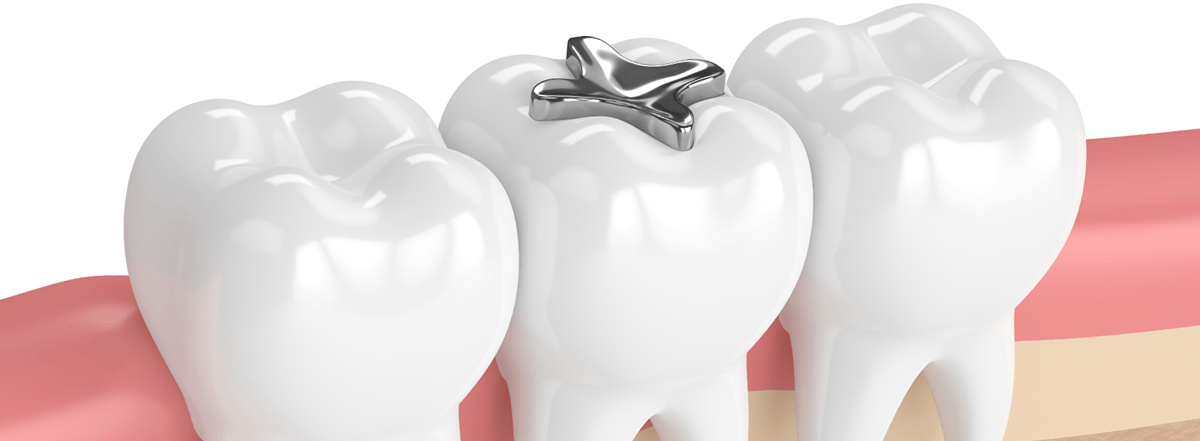
Even patients who brush and floss consistently can still develop cavities in the back teeth. Molars contain deep grooves and uneven surfaces where food particles and plaque can collect easily, especially in areas that toothbrush bristles may not fully reach. Over time, these trapped bacteria can slowly wear down enamel and increase the risk of tooth decay.
This is one reason dentists often see cavities develop in molars before other teeth. For children, teenagers, and even some adults, protecting these hard-to-clean areas early can help prevent future dental problems.
Dental sealants are a simple preventive treatment designed to add protection where brushing alone may not always be enough. By sealing the grooves on the chewing surfaces of molars, sealants help reduce plaque buildup and make these teeth easier to keep clean.
Why Cavities Commonly Start in Molars
Back teeth handle most of the pressure from chewing food throughout the day. Unlike smoother front teeth, molars contain tiny pits and grooves that naturally trap debris more easily.
Several factors can increase the likelihood of cavities developing in these areas:
- Deep grooves that are difficult to clean thoroughly
- Frequent snacking on sugary or acidic foods
- Inconsistent brushing around the back teeth
- Plaque buildup along uneven chewing surfaces
- A previous history of cavities or weakened enamel
Many patients are surprised to learn that even good oral hygiene habits may not fully protect these narrow grooves. This is why preventive treatments are often recommended shortly after permanent molars erupt.
Dental Sealants Add Protection Where Brushing Misses
Dental sealants are thin protective coatings applied directly to the chewing surfaces of molars. Once in place, the sealant creates a smoother surface that helps block bacteria and food particles from settling into the grooves of the teeth.
Dentists commonly recommend sealants because they may:
- Help protect cavity-prone molars
- Reduce the buildup of plaque in deep grooves
- Lower the likelihood of future fillings
- Make back teeth easier to clean effectively
- Provide additional protection for children and teenagers
- Support long-term preventive dental care
Although sealants can reduce cavity risk, they are not a replacement for brushing, flossing, or regular dental visits. Instead, they work alongside good oral hygiene habits to provide additional protection in areas where decay commonly begins.
Are Dental Sealants Only Recommended for Children?
Dental sealants are most commonly associated with children and teenagers because newly erupted permanent molars are especially vulnerable to cavities. However, adults may also benefit from sealants in certain situations.
Patients who have:
- deep grooves in their molars,
- recurring cavities,
- early enamel wear,
- or difficulty cleaning back teeth thoroughly, may still be good candidates for preventive treatment.
In many cases, preventing decay early is simpler and far less expensive than restoring teeth after cavities develop. Preventive dentistry focuses on protecting teeth before more serious problems develop.
What Happens During a Dental Sealant Appointment?
One reason dental sealants are widely recommended is because the procedure is fast, comfortable, and non-invasive. The natural tooth structure does not need to be drilled or altered during treatment.
A typical sealant appointment usually involves:
- Placing the sealant material into the grooves of the tooth
- Cleaning and drying the tooth thoroughly
- Applying a bonding solution to the chewing surface
- Hardening the material with a special curing light
The process usually takes only a few minutes per tooth, and patients can return to normal activities immediately afterward.
How Long Do Dental Sealants Last?
Dental sealants can remain effective for several years when combined with regular dental care and healthy oral hygiene habits. During routine checkups, dentists examine the sealants to ensure they remain intact and continue protecting the teeth properly.
To help maintain long-term oral health, patients should continue:
- Brushing twice daily with fluoride toothpaste
- Flossing regularly
- Limiting sugary snacks and acidic beverages
- Visiting the dentist for routine cleanings and exams
Preventive treatments work best when combined with consistent daily oral care.
Preventive Dentistry Can Help Reduce Future Dental Treatment
Many restorative dental problems begin with small areas of decay that could have been prevented earlier. Dental sealants are not necessary for every patient, but they can provide valuable protection for people who are more vulnerable to cavities in the back teeth.
Combined with regular dental visits and good oral hygiene habits, sealants can help reduce the risk of future decay and may lower the need for fillings or more extensive restorative treatment later.
